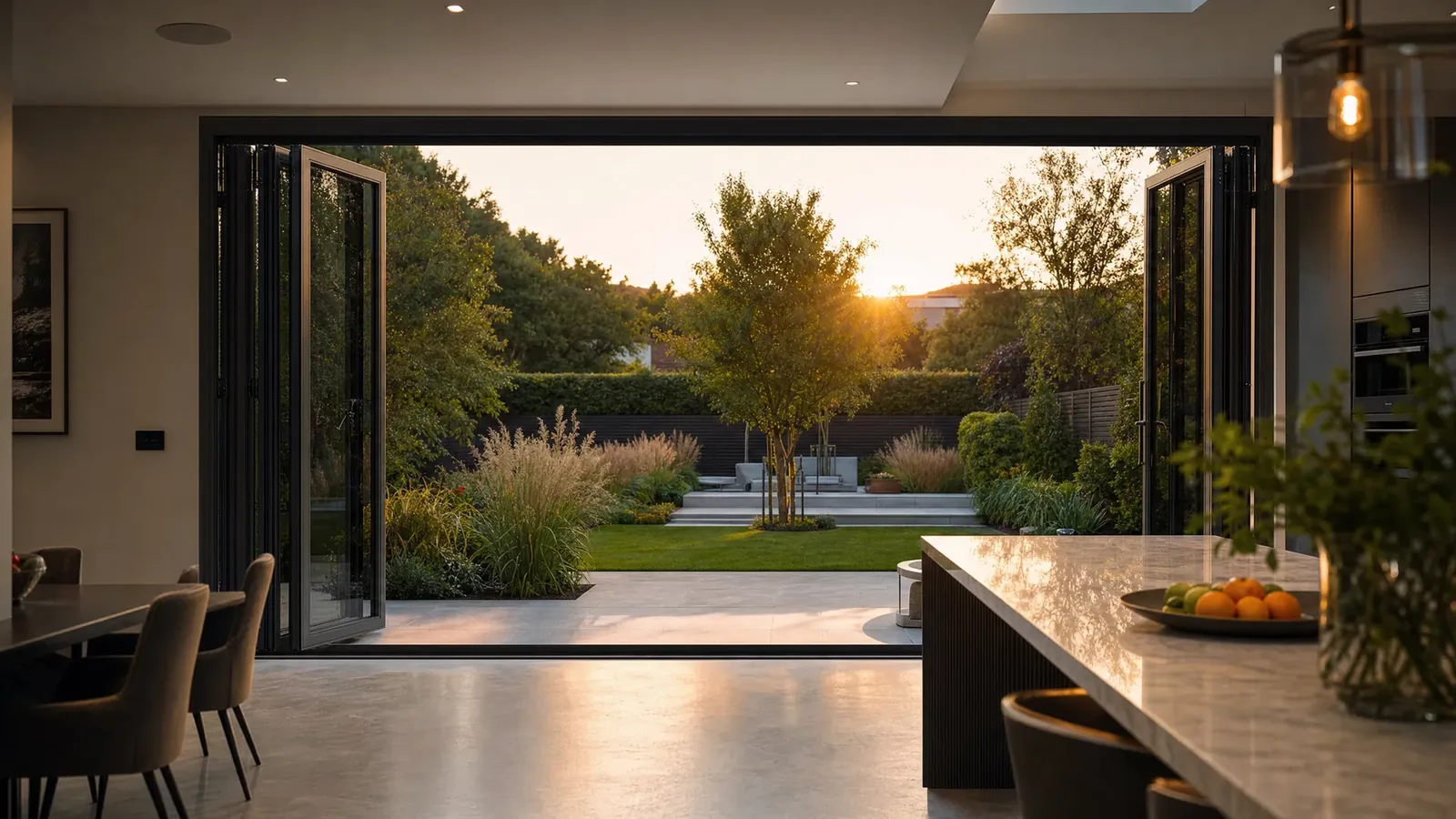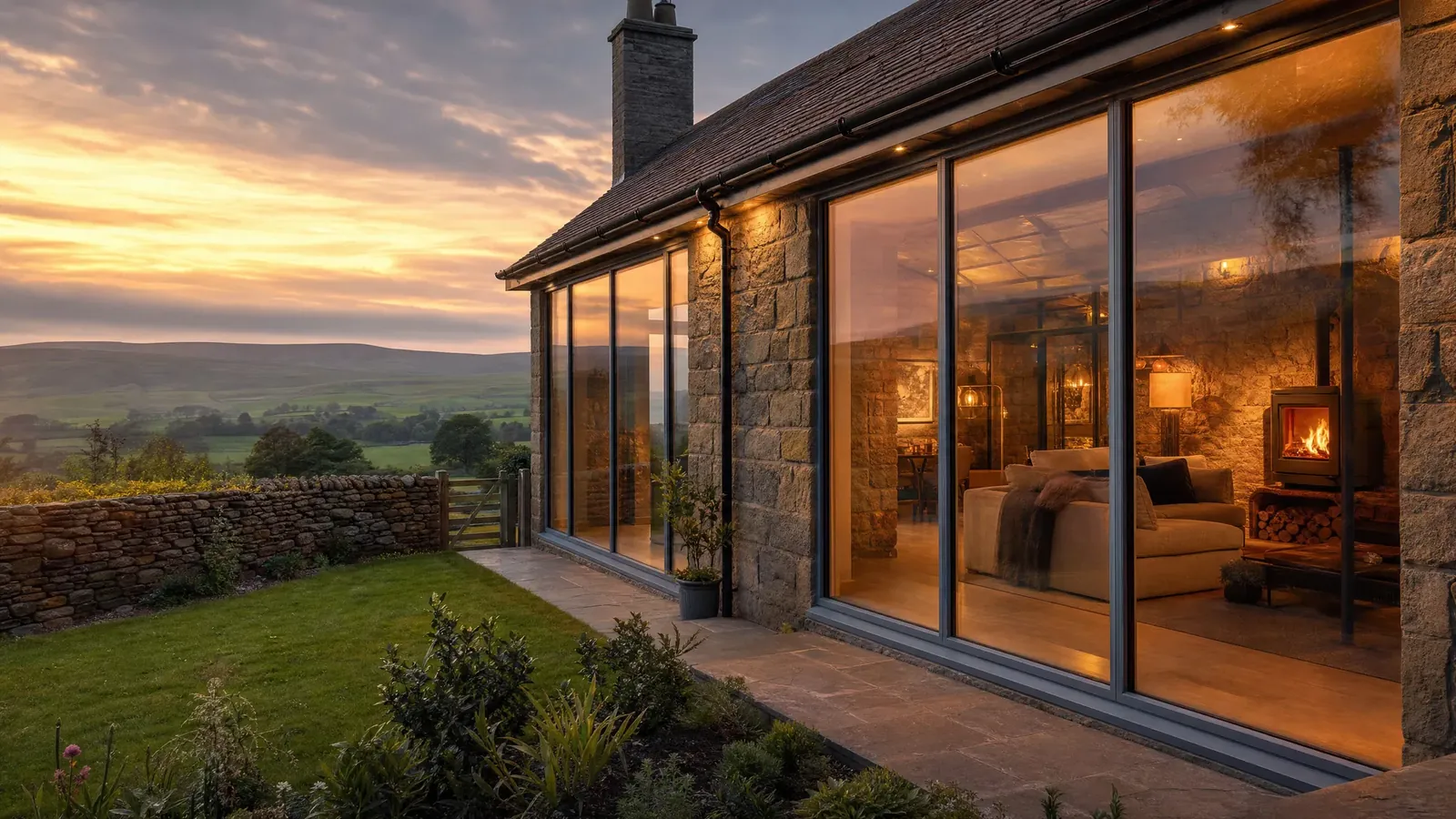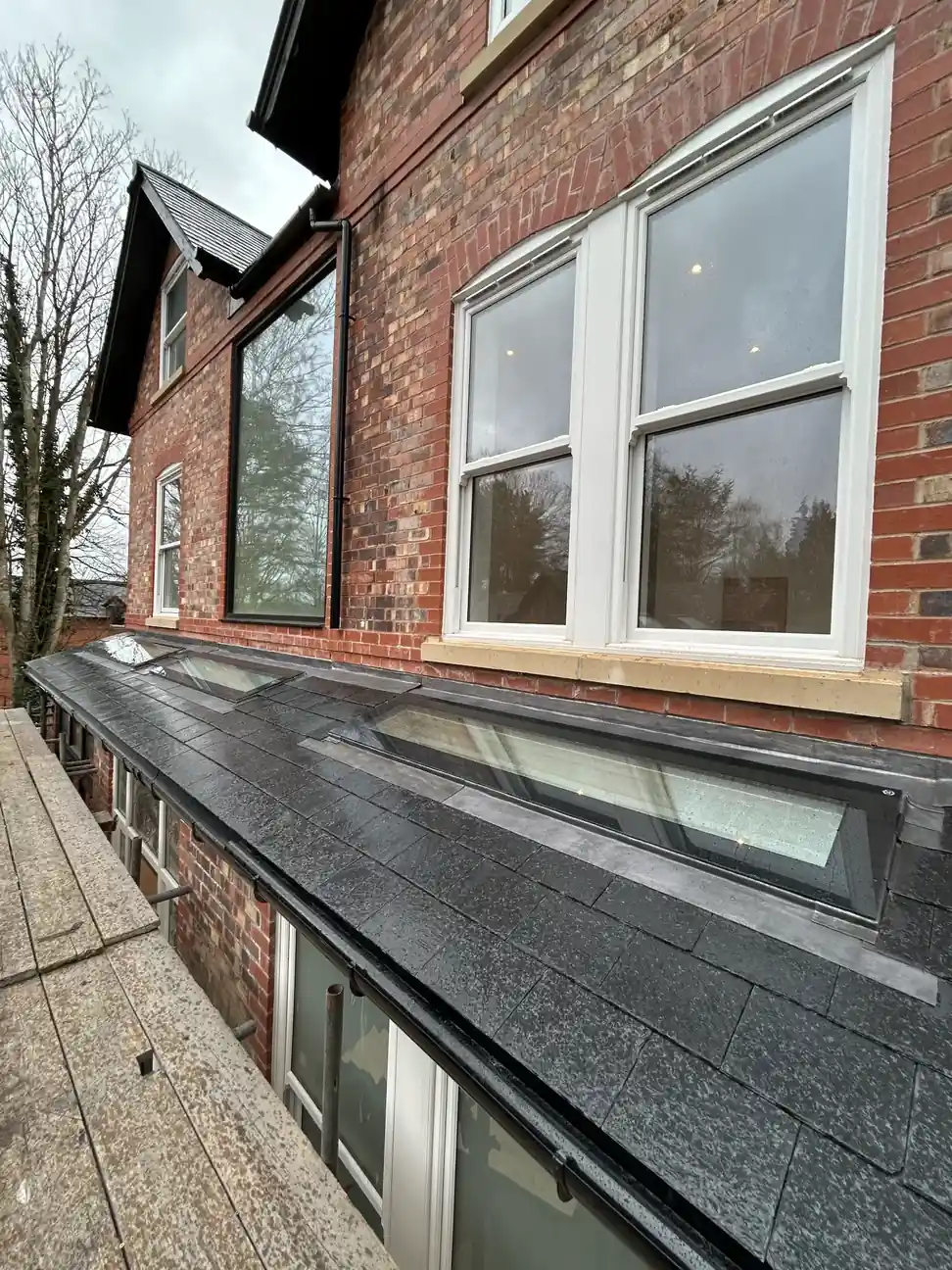
A rooflight or roof lantern is one of the most transformative things you can add to a home. Here's everything you need to know about rooflights and roof lanterns in Lancashire and Manchester.
Rooflights and Roof Lanterns: The Complete Guide for Lancashire and Manchester Homeowners
There is no more dramatic way to transform a room than to put a window in the ceiling. A rooflight or roof lantern floods a space with natural light in a way that no wall window can match — and the effect on how a room feels is immediate and profound.
At Behind The Glass, we install rooflights and roof lanterns across Lancashire and Greater Manchester — from flat rooflights on single-storey extensions to statement roof lanterns on kitchen-diners and garden rooms. This guide covers everything you need to know.
Rooflights vs Roof Lanterns: What's the Difference?
The terms are sometimes used interchangeably, but they refer to different products.
Flat Rooflights
A flat rooflight sits flush with or just proud of a flat roof. It's a glazed panel — typically double or triple glazed — set into a kerb or frame. Flat rooflights are the most common type for single-storey extensions with flat roofs.
They come in fixed (non-opening) and opening versions. Opening rooflights provide ventilation as well as light, which is particularly valuable in kitchens and bathrooms.
Roof Lanterns
A roof lantern is a three-dimensional glazed structure that rises above the roofline — typically a pitched, pyramid or ridge form with multiple glazed panels. Roof lanterns are larger, more architectural and more dramatic than flat rooflights.
They're typically used on larger extensions, orangeries and garden rooms where a flat rooflight would feel insufficient. A well-specified roof lantern can become the defining feature of a room.
The Benefits of Rooflights and Roof Lanterns
Transformative Natural Light
This is the primary reason homeowners choose rooflights. Natural light from above is fundamentally different from light through a wall window — it's more even, more diffuse and more abundant. A single 1m x 2m rooflight can transform a previously dark room into a bright, airy space.
For single-storey extensions in Lancashire and Manchester — where the extension is often surrounded by walls on three sides — a rooflight is frequently the only practical way to bring meaningful natural light into the space.
Improved Wellbeing
The connection between natural light and wellbeing is well established. Spaces with good natural light feel larger, more positive and more pleasant to spend time in. For kitchens and living spaces used throughout the day, this matters enormously.
Increased Property Value
A well-specified rooflight or roof lantern adds genuine value to a property. Estate agents consistently report that light, airy kitchen extensions with good glazing are among the most sought-after features in the Lancashire and Manchester property market.
Ventilation
Opening rooflights provide natural ventilation — particularly valuable in kitchens and bathrooms where moisture and cooking odours need to escape. Many opening rooflights can be specified with rain sensors that close automatically when it rains.
Specification: What to Look For
Not all rooflights are equal. Here's what matters:
Thermal performance. Look for rooflights with thermally broken aluminium frames and A-rated glazing. U-values should be 1.0–1.5 W/m²K or better. Poor thermal performance leads to condensation and heat loss.
Frame quality. Premium rooflights use powder-coated aluminium frames in a range of colours. The frame should be robust, well-sealed and low-maintenance.
Glazing specification. For most applications, double glazing with a low-emissivity coating is appropriate. For south-facing rooflights in sunny positions, solar control glass reduces overheating. For north-facing positions, clear glass maximises light.
Opening mechanism. If you want ventilation, specify an electric opening rooflight with a rain sensor. Manual opening is also available for lower-cost installations.
Roof Lanterns: Design Considerations
A roof lantern is a significant architectural element — it deserves careful thought.
Size. A roof lantern should be proportionate to the room. As a rough guide, a roof lantern covering 10–15% of the floor area is typically appropriate. Too small and it looks mean; too large and it can cause overheating.
Pitch. The pitch of the lantern affects both aesthetics and performance. A steeper pitch sheds water more effectively and tends to look more elegant. Most roof lanterns are pitched at 15–25°.
Colour. Anthracite grey and black are the most popular choices, complementing both contemporary and traditional architecture. White is also available for more traditional settings.
Internal appearance. The underside of a roof lantern is highly visible from inside — it should look as good as the exterior. Premium roof lanterns have clean, slim internal rafters that don't dominate the view of the sky.
Planning Permission for Rooflights
In most cases, rooflights on single-storey extensions fall within Permitted Development rights and do not require planning permission. However, there are exceptions:
- ▸Listed buildings always require Listed Building Consent
- ▸Conservation areas may have restrictions on roof alterations
- ▸Rooflights on front elevations visible from the street may require permission
We advise on planning requirements as part of our free survey process.
Why Choose Behind The Glass for Rooflights in Lancashire and Manchester?
Behind The Glass installs premium rooflights and roof lanterns across Rossendale, Burnley, Rochdale, Bury, Ribble Valley, Cheshire and Greater Manchester. We specify only quality systems with proper thermal breaks and A-rated glazing — we don't cut corners on specification.
With a 5.0 ★ rating across 42 Google reviews, our reputation is built on quality and honesty.
Thinking about a rooflight or roof lantern? Book a free survey and we'll assess your project and provide a detailed, no-obligation quote.
Frequently Asked Questions
Can a rooflight be added to an existing flat roof?
Yes — in most cases a rooflight can be retrofitted into an existing flat roof. We assess the structure and roof covering as part of our survey.
How much does a roof lantern cost?
A quality roof lantern for a typical kitchen extension (approximately 1.5m x 2.5m) typically costs £3,000–£6,000 supplied and installed, depending on size and specification.
Do rooflights cause overheating in summer?
South-facing rooflights can cause overheating if not specified correctly. We recommend solar control glass for south-facing installations.
How long does rooflight installation take?
A single rooflight installation typically takes half a day to a full day. A roof lantern installation typically takes 1–2 days.
Do you install rooflights in Manchester?
Yes — Behind The Glass installs rooflights and roof lanterns across Greater Manchester, Lancashire, Cheshire and surrounding areas. Contact us for a free survey.
Written by Craig Whitworth, Founder & Lead Installer, Behind The Glass.
Assure Certified Installer
Craig Whitworth is Founder & Lead Installer at Behind The Glass, a premium windows, doors and glazing specialist based in Rossendale, Lancashire.
Last updated: 19 October 2026